Addiction is a long term medical condition, and the good news is that it can be treated. It’s often linked with things like drugs, alcohol, smoking, or gambling. But addiction doesn’t only show up with substances, either. Some people can develop an unhealthy pull towards other behaviours such as work, shopping, or even gaming.
L
Learning Curve Group
The Principles Of Addiction Recovery
0 hours
Mental Health & Psychology
Online
Skills covered in this course
types of addiction
addiction risk factors
addiction support treatments
transitional care recovery
relapse prevention self management
Course Overview
In this course, you’ll get to grips with the different types of addiction, plus the signs and indicators you might notice. You’ll also learn about the risk factors that can play a part in someone developing an addiction, and what you can do if you’re concerned. Everything is covered with confidentiality in mind.
You’ll also explore the kinds of support and treatments that are available for various types of addiction, along with the reasons some people hesitate to seek help in the first place.
Course Overview This course will help you understand the different types of addiction, including the signs and indicators to look out for. You’ll learn what risk factors can make addiction more likely, and you’ll also discover practical steps you can take if you have concerns, while staying within confidentiality. On top of that, the course covers the treatments that may be available for different addictions, and the barriers that can stop people from getting support. Speak To Our Team
Fully Accredited Course
You’ll study on an accredited course, endorsed by NCFE. They’re a well known educational charity with more than 170 years of experience. NCFE is recognised by the UK Department for Education and regulated by Ofqual.
Progression Opportunities
Choosing this Level 2 Course In Principles Of Addiction Recovery can be a stepping stone into healthcare related roles. It’s a great fit if you’re interested in careers such as: Recovery Coach (£24,500 to £33,000) Social Worker (£24,000 to £30,000) Counselor (£30,000 to 35,000) It can also support inclusivity in the workplace, which is helpful in many professional settings. And yes, it can make your CV stand out too, depending on the direction you want to take.
How Long is the Course?
The course runs for seven weeks. We call our online courses “flexible learning” because they’re built to fit around your day to day life, including work and family commitments. You’ll be given all your deadlines in your online learning platform once you’ve enrolled, so you always know what’s coming next.
This course is split into four units:
Understanding addiction:
In this unit, you’ll explore what people mean by “addiction” and learn about the different types, signs, and indicators. You’ll also look at the risk factors that can increase the chances of developing an addiction, along with what actions can be taken when you have concerns, always keeping confidentiality in mind. .
Understanding the treatment and transitional care for addiction:
You’ll learn about the treatments used for different kinds of addiction, plus the obstacles that can stop individuals from seeking help. You’ll also cover transitional care, meaning the move from treatment to recovery.
Understanding support available for recovery and rehabilitation:
Here, you’ll understand recovery, and what support may be available to people going through recovery and rehabilitation. You’ll also think about how supporting others can affect your own wellbeing, and which coping strategies can help you stay grounded during and after the process.
Understanding post-addiction recovery and relapse prevention:
This final unit focuses on a person-centred approach to supporting people after addiction, along with practical self management ideas and relapse prevention principles.
What will I learn?
This course is split into four units:
Understanding addiction:
In this unit, you’ll explore what people mean by “addiction” and learn about the different types, signs, and indicators. You’ll also look at the risk factors that can increase the chances of developing an addiction, along with what actions can be taken when you have concerns, always keeping confidentiality in mind. .
Understanding the treatment and transitional care for addiction:
You’ll learn about the treatments used for different kinds of addiction, plus the obstacles that can stop individuals from seeking help. You’ll also cover transitional care, meaning the move from treatment to recovery.
Understanding support available for recovery and rehabilitation:
Here, you’ll understand recovery, and what support may be available to people going through recovery and rehabilitation. You’ll also think about how supporting others can affect your own wellbeing, and which coping strategies can help you stay grounded during and after the process.
Understanding post-addiction recovery and relapse prevention:
This final unit focuses on a person-centred approach to supporting people after addiction, along with practical self management ideas and relapse prevention principles.
About the course
Once you’ve purchased the course, you can jump straight into your learning content. You’ll also receive:
- Tutor support to help you work through the course
- Round the clock access to your online learning platform, so you can study when it suits you
- A certificate once you successfully complete the course.
You can finish within 7 weeks, but there’s no pressure to rush. Study at the pace that works best for you.

[
    {
        "value": "8%",
        "description": "of UK adults report using cannabis"
    },
    {
        "value": "3.1%",
        "description": "UK adults show signs of drug dependence"
    },
    {
        "value": "48%",
        "description": "of adults obtain illegal drugs from a friend or neighbour"
    },
    {
        "value": "7%",
        "description": "of the UK are impacted by another's gambling addiction"
    }
]
Studying made simple!
We’re not into making things harder than they need to be. That’s why these courses are designed to fit around your work and your home life.
[
    {
        "title": "Complete your purchase",
        "description": "Once your purchase is done, you’ll get instant access to start your course right away"
    },
    {
        "title": "Start learning!",
        "description": "A tutor will be assigned to you to guide you through the course. You can reach them by phone, text, or email"
    },
    {
        "title": "You'll receive text reminders when your work is due",
        "description": "Your tutor will mark your work and send it back to you within 7 days"
    },
    {
        "title": "Submit your work",
        "description": "After you finish your course, we’ll arrange your certificate. It will be sent to your home address within 6 months of completing the course"
    }
]
Need support enrolling?
If you’d like help with enrolling, or you want a quick check to make sure this is the right course for you, pop your details in the form below. A member of our team will get back to you. If you prefer, you can also call us on 01388 741336.
What will I learn?
This course is made up of two mandatory and one optional unit.
Food allergens, allergies and intolerances
The methods for allergy diagnosis and treatment
The methods for intolerance diagnosis and treatment
The importance of food labelling
Regulations for food labelling
Packaging regulations
The signs and effects of allergic reactions – including anaphylaxis and how to administer first aid for a severe allergic reaction in children
How to reduce the risk of an allergic reaction – including record keeping, how allergies can be treated, and medications to help allergic reactions.
The signs and effects of allergic reactions – including anaphylaxis and how to administer first aid for a severe allergic reaction
How to reduce the risk of an allergic reaction – including record keeping, how allergies can be treated, and medications to help allergic reactions.
The signs and effects of allergic reactions – including anaphylaxis and how to administer first aid for a severe allergic reaction
How to reduce the risk of an allergic reaction – including record keeping, how allergies can be treated, and medications to help allergic reactions.
Certification Process
1
Complete all the classes
Attend classes, ask questions, and finish your homework. We check your activity and support your learning journey every step of the way.
2
Get the Summary Notes
Receive high-quality supporting documents, summary notes, and recommended readings. Ensure you have access to all tools and resources.
3
Complete 100% Impact
Complete the final assessment to validate your learning. Earn your certificate and share your achievement with your professional network!

Free
This Course Includes:
Level Access
0 hours of Content
Certificate of Completion
English
Get Certified
Add value to your profile
Official Certificate
Keep the momentum going
Discover more courses to boost your career.

A
Alpha Academy
CRM – Customer Relationship Management
4.8
(1.2k reviews)
Free
C
Coggno
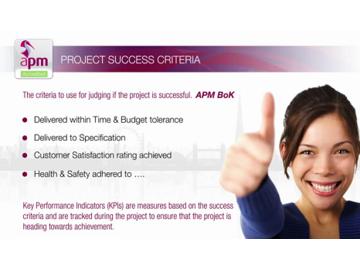
APM - PFQ: Project Management Fundamentals
4.8
(1.2k reviews)
₹9,421

C
Coggno
Black Lives Matter for Business Course
4.8
(1.2k reviews)
₹1,927

C
Coggno
Strategic Sales鈥擝asics of Strategic Sales Course
4.8
(1.2k reviews)
Free