About this course
Most of what drives us isn't something we consciously notice. These instincts and mental 'pulls' sit underneath the surface, and then they show up in what we do, one way or another.
In this behavioural science course focused on messaging that works, we're going to break down how the advertising world uses what we know about the subconscious mind to get people to buy more products and services.
And if you thought that was powerful before, the digital world has made it even stronger.
Every time you watch something on Netflix (or shop on Amazon, or search on Google, or basically anything online), you leave behind a trail called a digital footprint. So when those hidden psychological currents pop up, the system can spot the 'bubbles' and use them to guess what caused them in the first place.
Twitter can tell when you're feeling low, Verizon can spot patterns around personality, and Facebook can make educated guesses about your political leaning.
Put simply, technology is getting closer to predicting what you'll respond to. And sooner than you might expect, those deeper psychological patterns will be used to serve the kind of advertising that actually cuts through.
By the end of this course, you'll know how to avoid being left behind.
You'll learn what kinds of messages the brain naturally leans into, which ones it tends to ignore, and the practical steps for finding new audiences online. Plus, we'll cover the key ingredients that help something earn attention and spread.
You'll also learn how to use the OCEAN framework to segment audiences more accurately, so you can get a better read on what type of messaging will land best with different people.
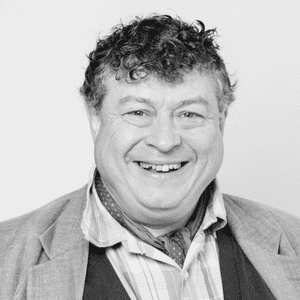
Taught by Patrick Fagan, a globally recognised award-winning Behavioural Science leader, Rory Sutherland, Vice Chairman of Ogilvy, and Dan Bennett, who leads the Behavioural Science team at Ogilvy.
Once you finish, you'll receive a CPD certification, plus the confidence to start using behavioural science on real problems, not just theory.
WHAT LEVEL OF LEARNING IS THIS?
- Each 42courses course is built to cover the basics properly. You'll finish with a clear understanding of the topic, along with the main methods, models, and what good practice looks like.
- You won't just do it alone. Real tutors review your work throughout the course and help guide you when you hit a wall.
How long does it take to complete a course?
- Most learners spend about 7-9 hours in total. There's no rush and no strict time limit. Lessons are broken into short, manageable chunks.
- You can learn whenever it suits you. Start whenever you want, pause when life happens, and wrap up when you're ready. No waiting for someone to mark coursework.
Which Behavioural Science course should I take?
Totally fair. With 42courses, you've got a lot of genuinely useful Behavioural Science options, and they're not dry in the way some courses are.
You can take them in any order, and each one still stands on its own.
If you're stuck and you don't feel like flipping a coin, use the guide below to pick the best match for you ??
- Behavioural Economics - Great if you want an enjoyable introduction to the subject, plus key biases that can spark ideas and deepen your understanding.
- Applied Behavioural Science - Best when you already know the basics a bit and want to learn the models and frameworks that help you solve problems using behavioural science.
- Behavioural Science for Effective Messaging - Ideal if you've got a bit of background, genuinely like psychology (people and behaviour), and want to craft messaging that actually works. This is the kind of 'filter' that strong marketers use all the time.
- Behavioural Science for Brands - Perfect if you know the basics and want some fun, practical inspiration for using behavioural science to grow your brand.
- Want every single one? - Grab a 42courses subscription and take them all ??